








Stainless Steel in Green Building: Sustainable Architecture & Technical Specs
- Views:0
- Author:
- Publish Time:2026-10-28
- Origin:
As sustainable design standards and environmental regulations reshape modern commercial construction, architectural materials are evaluated on lifecycle carbon impact, resource efficiency, and structural longevity. Stainless steel stands out as a high-performance material for green building, combining structural efficiency, 100% circular recyclability, and low operational maintenance to help projects achieve top-tier green building certifications like LEED, BREEAM, and WELL.
Technical Contributions to LEED Certification & Decarbonization
Materials & Resources (MR) Credits via Circular Recyclability: Modern structural and architectural stainless steels average 60% to 85% post-consumer and post-industrial recycled content. Engineered for endless closed-loop recycling without loss of mechanical strength or chemical integrity, specifying stainless steel directly secures key LEED v4/v4.1 points under Environmental Product Declarations (EPDs) and Recycled Content criteria.
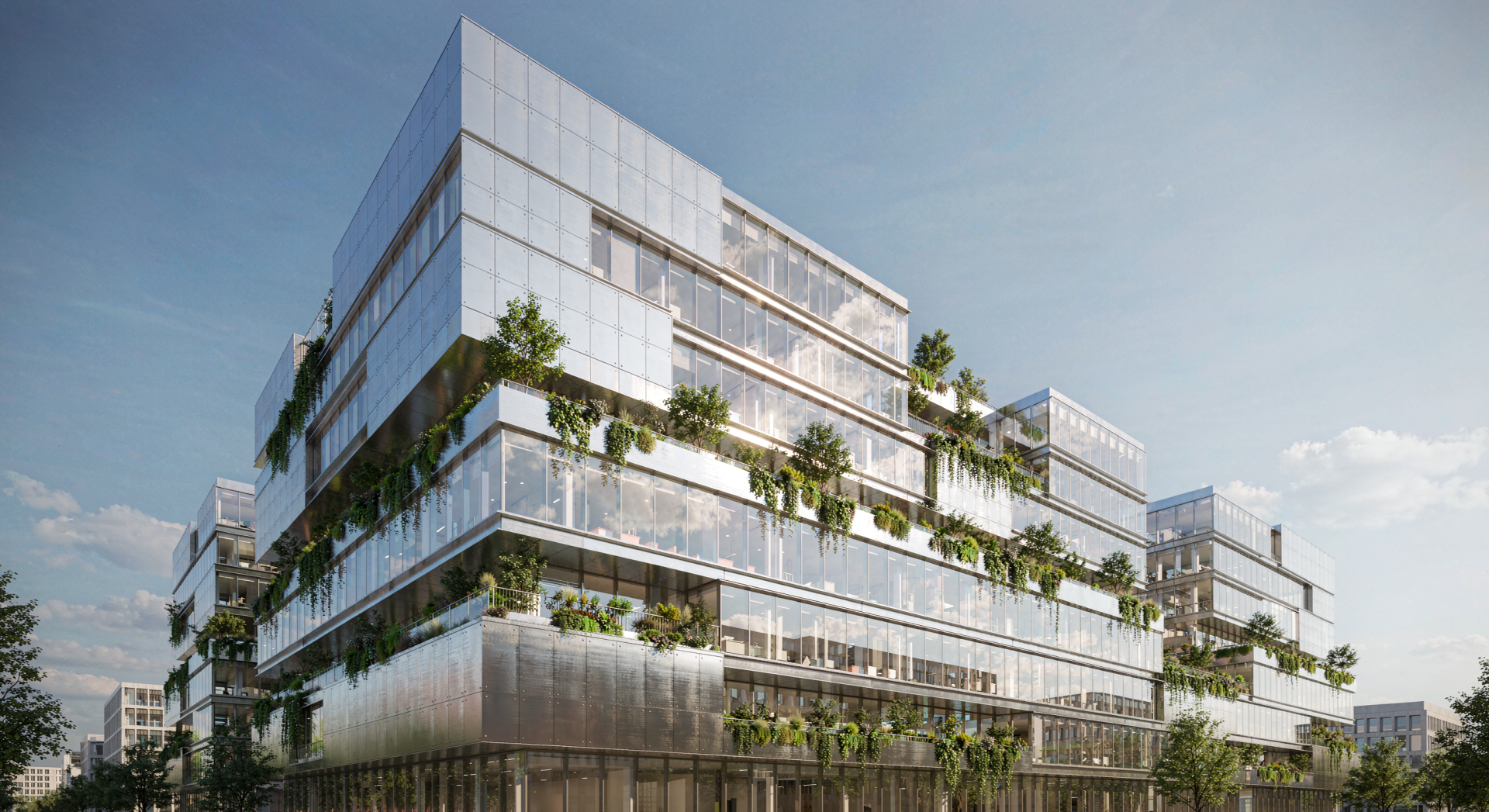
Energy & Atmosphere (EA) Optimization in HVAC & Thermal Envelopes: Utilizing stainless steel in high-efficiency HVAC ductwork, heat recovery loops, and low-emissivity building facades optimizes thermal envelope performance. Advanced reflective stainless steel roofing and rainscreen cladding systems reduce building solar heat gain coefficient (SHGC), lowering summer cooling energy loads by up to 30% to 40%.
Sustainable Sites (SS) & Rainwater Management: High-purity stainless steel guttering, cistern liners, and rainwater harvesting networks resist corrosion without leaching heavy metals into runoff water. Integrating stainless steel components into stormwater management, green roof anchors, and urban heat island mitigation systems protects municipal drainage infrastructure while earning additional sustainable site credits.
Core Structural & Architectural Applications in Green Construction
High-Rise Framing & Structural Weight Reduction: High-strength austenitic and duplex stainless steel grades (such as UNS S32205) feature superior yield strengths compared to standard carbon steel ($f_y \ge 450\ \text{MPa}$). This high strength-to-weight ratio enables structural engineers to down-gage support columns and curtain wall framing, reducing dead-load structural mass by up to 30% to 35% and cutting foundational concrete requirements.
Weather-Resistant Architectural Facades & Roofing: Stainless steel standing-seam roofs, architectural meshes, and exterior wall panels resist severe atmospheric weathering, acid rain, and coastal salt spray. Requiring no chemical sealants, anti-rust paints, or protective re-coatings over their operational lifespan, stainless facades drastically reduce volatile organic compound (VOC) emissions and recurring maintenance costs.
High-Traffic Interior Features & Indoor Environmental Quality (IEQ): Non-porous and naturally antibacterial, stainless steel wall paneling, handrails, elevator interiors, and door hardware improve indoor hygiene in high-traffic commercial spaces. Their inert, easy-to-clean surface requires no harsh chemical detergents, directly supporting WELL Building Standards for healthier indoor air quality.
100+ Year Infrastructure Lifespan for Bridges & Pedestrian Walkways: Specified for structural tie-rods, expansion joints, and load-bearing trusses in bridges and public walkways, structural stainless steel provides an operational service life exceeding 100 years. This long lifecycle eliminates early structural replacement cycles and lowers total Embodied Carbon Over Time (ECOT).
Elevate Your Sustainable Building Projects Today
Incorporating certified architectural and structural stainless steel into your building designs ensures complete regulatory compliance, optimizes operational energy efficiency, and maximizes LEED certification scoring.
Contact our architectural engineering team today to request Environmental Product Declarations (EPDs), material recyclability data, and competitive factory-direct pricing for your next green building project.


