








The Role of Stainless Steel in Health, Safety & Hygiene
- Views:0
- Author:
- Publish Time:2026-08-21
- Origin:
In safety-critical industries like healthcare, pharmaceutical manufacturing, and food processing, material selection directly impacts public health and regulatory compliance. Stainless steel is the gold standard for sanitary applications, combining unmatched durability, non-porous surface characteristics, and chemical inertness to prevent bacterial contamination and maintain sterile conditions.
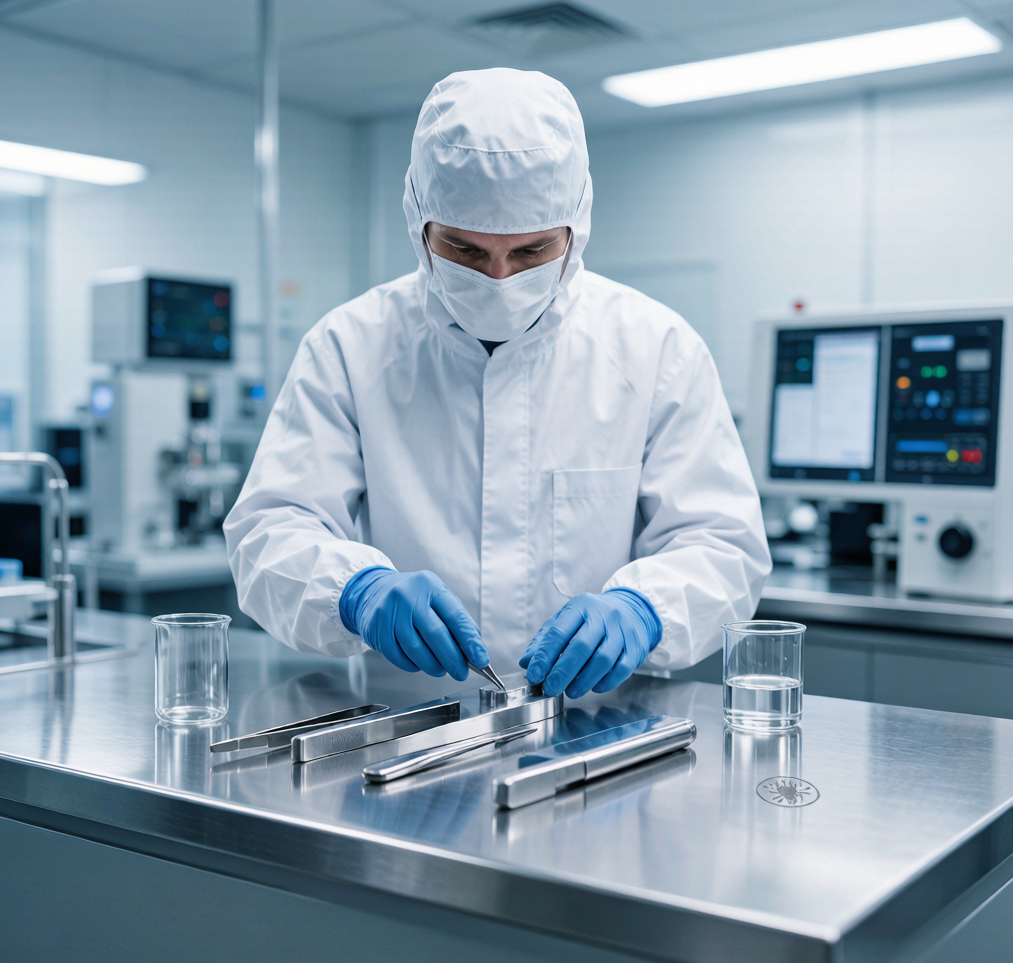
5 Ways Stainless Steel Elevates Health and Safety Standards
Superior Cleanability & Microbial Control: Stainless steel features a smooth, non-porous surface that prevents bio-film buildup and pathogen harborages. Microbiological studies demonstrate that electropolished 304 and 316 stainless steel surfaces retain up to 99% fewer bacteria (such as E. coli and Listeria) after standard sanitation compared to food-grade plastics or porous composites. This makes it essential for hospital operating rooms, surgical trays, and commercial dairy processing equipment.
High Corrosion & Chemical Resistance: Sanitation protocols in medical and food facilities require frequent exposure to aggressive chemical disinfectants, moisture, and high-temperature steam. Grade 316L stainless steel contains molybdenum, allowing it to withstand repeated exposure to chlorine bleaches, peracetic acid, and autoclave temperatures exceeding 121°C without pitting or rusting—eliminating microscopic cracks where harmful bacteria can breed.
Non-Reactive & Non-Toxic Composition: Stainless steel is completely chemically inert, meaning it will not leach harmful compounds, heavy metals, or metallic tastes into food products, pharmaceutical formulations, or medical fluids. Meeting strict FDA food-contact guidelines and ISO 10993 biocompatibility standards, it is heavily relied upon for surgical implants, pharmaceutical mixing tanks, and commercial brewing vats.
Heavy-Duty Durability & Long Lifespan: Unlike plastics that crack under mechanical impact or coated carbon steels that chip and expose raw metal to rust, stainless steel maintains its structural integrity under extreme wear. With an operational service life easily exceeding 25 to 30 years, investing in stainless steel equipment reduces equipment replacement costs by up to 50% over a facility's lifespan while eliminating physical contamination risks from peeling paint or broken plastic fragments.
100% Recyclability for Green Compliance: Modern healthcare networks and food producers are under increasing pressure to meet ESG (Environmental, Social, and Governance) goals. Stainless steel is 100% recyclable with zero degradation in material purity. New stainless steel products contain an average of 60% to 85% recycled scrap, significantly reducing the embodied carbon footprint of commercial kitchens, laboratories, and medical facilities.
Upgrade Your Facility's Sanitary Standards Today
Choosing high-grade 304 and 316 stainless steel is the most reliable way to protect consumer safety, ensure regulatory compliance, and build a low-maintenance, hygienic operational environment.
Contact our technical sales team today to request technical specifications, chemical compatibility charts, or a quote on custom food-grade and medical-grade stainless steel equipment.


