








Recycling of Nickel Alloys
- Views:0
- Author:
- Publish Time:2026-04-16
- Origin:
Sustainable Practices That Preserve Value and Protect Resources
Nickel is one of the world's most valuable and recyclable industrial metals. In fact, approximately 68% of all nickel ever produced is still in use today, thanks to efficient recycling systems. The recycling of nickel alloys not only conserves natural resources but also delivers significant economic and environmental benefits. Understanding how nickel alloys are recycled helps businesses make sustainable procurement decisions while reducing costs.
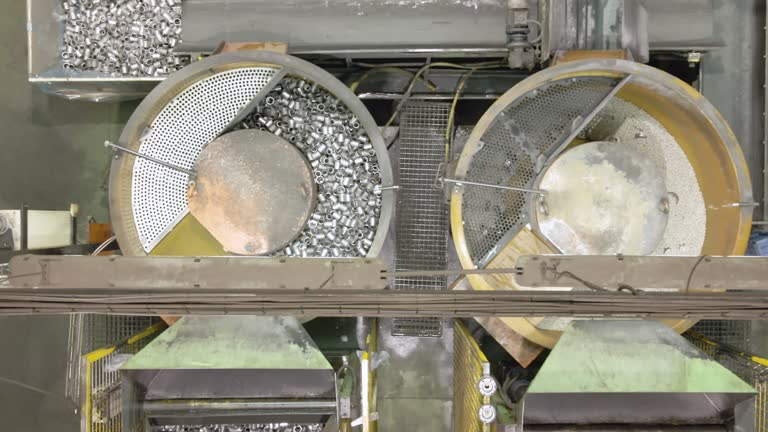
Why Recycle Nickel Alloys?
The recycling of nickel alloys consumes up to 90% less energy compared to primary production from ore. For every ton of nickel alloys recycled, manufacturers save approximately 100,000 kWh of electricity and avoid 10 tons of CO₂ emissions. Additionally, nickel alloys retain their mechanical properties through multiple recycling cycles without degradation, making them ideal candidates for closed-loop material systems.
The Recycling Process for Nickel Alloys
The recycling of nickel alloys follows a systematic process. First, scrap nickel alloys are collected from manufacturing waste, end-of-life products, and industrial decommissioning. Next, materials are sorted by alloy grade using X-ray fluorescence spectroscopy to ensure proper separation. The sorted nickel alloys are then cleaned, shredded, and melted in electric arc or induction furnaces. Finally, the molten metal is refined and cast into new forms—sheets, bars, or ingots—ready for remanufacturing.
Common Sources of Recyclable Nickel Alloys
Valuable scrap nickel alloys come from diverse sources. Manufacturing facilities generate machining chips, off-cuts, and rejected parts. Power plants and chemical processors retire used nickel alloys components such as turbine blades, heat exchanger tubes, and reactor vessels. The aerospace industry contributes decommissioned engine components and airframe parts. Construction and marine sectors provide piping, fittings, and structural elements containing nickel alloys.
Economic Benefits of Recycling
The recycling of nickel alloys offers compelling economics. Scrap nickel alloys typically retain 70-90% of the value of virgin material, making collection and processing highly profitable. Manufacturers using recycled nickel alloys reduce raw material costs while achieving the same performance specifications. A recent industry analysis found that facilities incorporating 50% recycled content into their nickel alloys production reduced material costs by 25-35% without compromising quality.
Environmental Impact
Environmental advantages of recycling nickel alloys are substantial. Mining and refining virgin nickel generates significant land disturbance, water usage, and greenhouse gas emissions. The recycling of nickel alloys eliminates these impacts entirely. For every 1,000 tons of nickel alloys recycled, the industry avoids mining 1,500 tons of ore, saves 90 million liters of water, and prevents 2,500 tons of CO₂ emissions. These statistics make nickel alloys recycling a cornerstone of industrial sustainability strategies.
Case Study: Closed-Loop Recycling in Aerospace
A leading aerospace manufacturer implemented a closed-loop recycling program for nickel alloys used in jet engine production. Scrap from machining operations—previously sold to third-party recyclers—was collected, segregated by alloy grade, and returned to their nickel alloys supplier for remelting into new wrought product. This program achieved a 92% recycling rate for production scrap, reduced virgin nickel alloys purchases by 40%, and saved $4.2 million annually in material costs while eliminating 1,800 tons of CO₂ emissions.
Sorting Challenges and Solutions
The primary challenge in recycling nickel alloys is proper sorting, as different grades have distinct compositions and applications. Mixing nickel alloys grades during recycling compromises material properties. Advanced sorting technologies, including handheld XRF analyzers and automated optical sorting systems, enable precise separation of nickel alloys by grade. Leading recyclers achieve 99% purity levels through multi-stage sorting processes, ensuring recycled nickel alloys meet the same specifications as virgin material.
Certifications and Responsible Recycling
Reputable processors of nickel alloys maintain certifications such as ISO 14001 for environmental management and Responsible Recycling (R2) standards. These certifications verify that the recycling of nickel alloys follows best practices for worker safety, environmental protection, and material traceability. When sourcing recycled nickel alloys, request certification documentation to ensure compliance with industry standards.
The recycling of nickel alloys delivers measurable benefits: lower energy consumption, reduced emissions, significant cost savings, and preserved material performance. For businesses committed to sustainability and cost efficiency, recycled nickel alloys represent a smart, responsible choice.
To explore our comprehensive range of premium nickel alloys products, including options with recycled content, please visit our website at www.hcadto.com. For expert guidance on sustainable nickel alloy solutions tailored to your application, contact us at info@hcadto.com. Our team is ready to support your success with high-quality, environmentally responsible nickel alloy products.


