








Use of Nickel Alloys in Shipbuilding
- Views:0
- Author:
- Publish Time:2026-04-14
- Origin:
Why Marine Engineers Choose High-Performance Materials for Vessel Construction
The shipbuilding industry operates in one of the most corrosive environments on Earth. Saltwater, extreme temperatures, and constant mechanical stress demand materials that can withstand decades of harsh service. This is why the use of nickel alloys in shipbuilding has grown significantly over the past two decades. From naval vessels to commercial tankers and offshore platforms, nickel alloys in shipbuilding provide unmatched durability, safety, and lifecycle value.
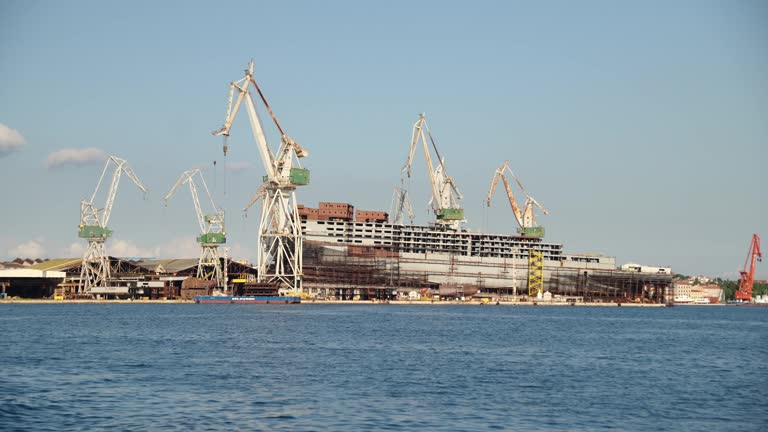
Exceptional Corrosion Resistance in Marine Environments
Seawater is highly corrosive, particularly in splash zones and ballast tank interiors where oxygen levels fluctuate. Traditional carbon steel can suffer severe pitting and uniform corrosion within years of exposure. By incorporating nickel alloys in shipbuilding, engineers achieve dramatically improved resistance to chloride-induced corrosion. For example, Nickel 200 and Nickel 400 series alloys offer excellent performance in both fresh and saltwater applications, with documented service lives exceeding 30 years without significant degradation.
Critical Applications: Seawater Piping and Heat Exchangers
One of the most common applications of nickel alloys in shipbuilding is in seawater piping systems and heat exchangers. Copper-nickel alloys (90/10 and 70/30) are industry standards for these systems due to their exceptional resistance to biofouling and erosion-corrosion. A case study from a liquefied natural gas carrier fleet showed that replacing carbon steel seawater cooling pipes with copper-nickel alloys reduced maintenance costs by 65% over a 10-year period while eliminating unplanned downtime caused by pipe failures.
LNG Carriers and Cryogenic Service
The rapid expansion of liquefied natural gas transportation has created new demand for nickel alloys in shipbuilding. LNG carriers require materials that remain ductile at cryogenic temperatures as low as -163°C. Nickel alloy steel containing 9% nickel has become the standard material for LNG cargo tanks and containment systems. According to industry data, over 600 LNG carriers currently in service rely on nickel alloy steel for their primary containment barriers, demonstrating the critical role of nickel alloys in shipbuilding for the global energy trade.
Naval Vessels and Ballistic Protection
Military shipbuilding represents another significant application of nickel alloys in shipbuilding. Nickel-containing armor steel grades provide exceptional ballistic protection while maintaining weldability and toughness. The U.S. Navy's HY-80 and HY-100 steels, which contain nickel as a key alloying element, have been used in submarine hulls and surface combatants for decades. These materials offer the strength-to-weight ratio essential for modern naval architecture while providing excellent resistance to brittle fracture in cold seawater conditions.
Offshore Platforms and Subsea Equipment
The offshore oil and gas industry relies heavily on nickel alloys in shipbuilding for platforms, risers, and subsea equipment. Nickel-based superalloys such as Inconel 625 and Hastelloy C-276 are specified for critical components exposed to sour service conditions containing hydrogen sulfide. A recent analysis of North Sea offshore installations found that facilities utilizing nickel alloys for critical subsea components experienced 40% fewer corrosion-related failures compared to those using standard stainless steels, resulting in significant production uptime improvements.
Economic Benefits: Lower Lifecycle Costs
While the initial material cost of nickel alloys in shipbuilding is higher than carbon steel, the total lifecycle cost is often substantially lower. Ship owners factor in reduced maintenance, extended dry-docking intervals, and longer vessel service life. A 15-year study of chemical tankers showed that vessels utilizing nickel alloys for cargo tank and piping systems saved an average of $2.8 million per ship in avoided repairs and replacement costs, validating the long-term economic case for premium materials.
Welding and Fabrication Considerations
Modern shipyards have developed specialized procedures for working with nickel alloys in shipbuilding. Qualified welding processes using matching filler metals ensure joint integrity equivalent to the base material. Advances in automated welding technology have reduced fabrication time and costs, making nickel alloys more accessible for mainstream shipbuilding projects. Classification societies such as ABS, DNV, and Lloyds Register provide comprehensive guidelines for the specification and qualification of nickel alloy welding procedures.
The use of nickel alloys in shipbuilding continues to expand as vessel operators prioritize reliability, safety, and long-term value. From seawater systems to LNG containment and naval armor, these materials deliver proven performance in the world's most demanding marine environments.
To explore our comprehensive range of premium nickel alloys in shipbuilding applications, please visit our website at www.hcadto.com. For expert guidance and personalized assistance tailored to your marine project requirements, contact us at info@hcadto.com. Our team is ready to support your success with high-quality nickel alloy solutions for the shipbuilding industry.


